Wheels / Tires / Suspension
Every number that decides fitment, listed before you buy.
25,757 wheels, tires and suspension parts for trucks, cars, SUVs and off road builds. Bolt pattern, offset, load rating and overall diameter are on every listing, because the reason parts get sent back is almost never the part. It is the spec nobody checked.
Find your fitment
Bolt pattern is the one that has to match exactly. Diameter and width decide clearance. Pick what you know and leave the rest.
Rim diameter has to match your wheel exactly. Every listing shows the overall diameter worked out for you.
A make is a starting point, not a guarantee. Trim and brake package change fitment within the same model.
Search 25,000 parts by brand, model or manufacturer part number.
Fitment checked before dispatch
You give us the vehicle at checkout. We check it against the parts on the order and contact you before shipping if anything does not add up.
Ships from a US warehouse
Out the door in 1 to 3 business days. Free over $199, flat rate below that, tracking emailed the moment it ships.
30 day returns
Unmounted, uninstalled parts go back within 30 days in original packaging. Damaged or wrong on arrival, we cover the return shipping.
Secure encrypted checkout
Payment runs over an encrypted connection and is handled by the processor. We never see or store your full card number.
Full specs on every listing
Bolt pattern, offset, backspacing, load index, overall diameter. Published on the page, in a table, on every single listing.
-
Truck Wheels
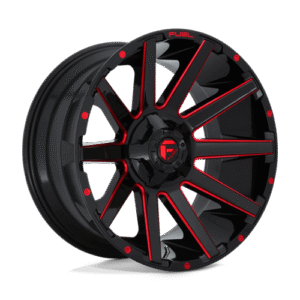
CONTRA 20x10 8x180 124.2 NLQ -18
Original price was: $479.00.$478.99Current price is: $478.99. Add to cart
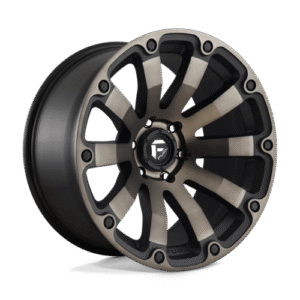
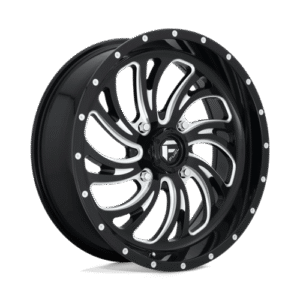
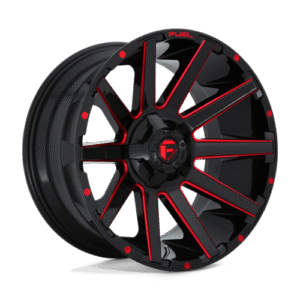


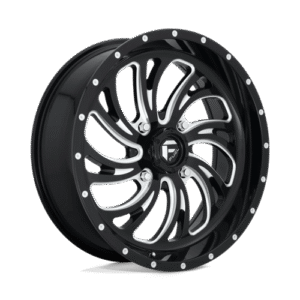
Jump to a diameter
Jump to a bolt pattern

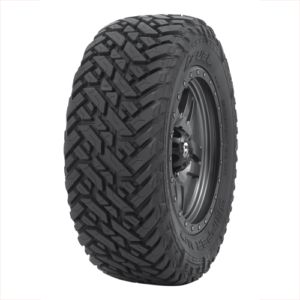
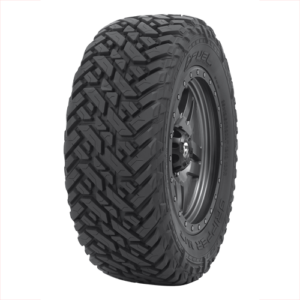
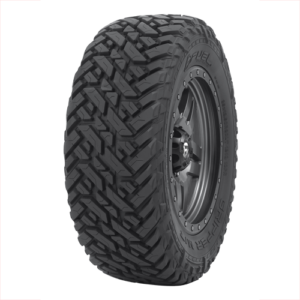
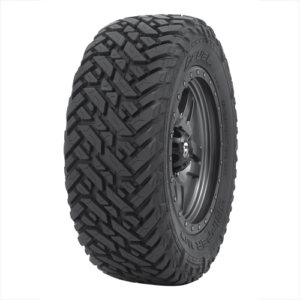
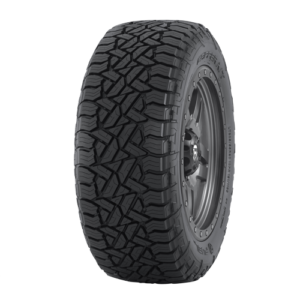
Popular sizes
Not sure which size your vehicle takes? Enter your VIN in the tire finder and we will identify the vehicle, show the sizes it left the factory on, and list what we stock that fits, with the effect on your speedometer worked out.
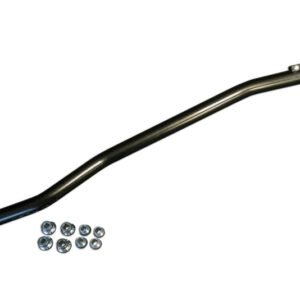
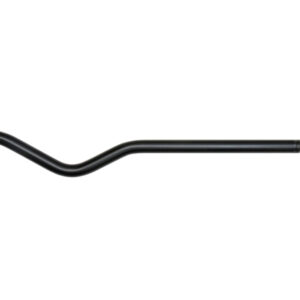
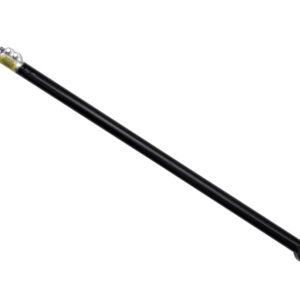
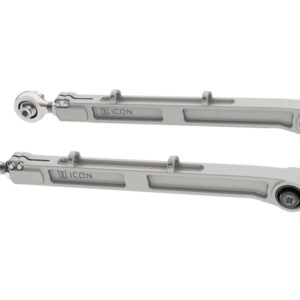
Lift or level a vehicle and you change the tire diameter that clears, the alignment, and often the driveshaft and brake line lengths too. That is why suspension sits alongside the wheels here rather than in a separate department. Tell us the target height and tire size and we will list what the job actually needs.
Shop by vehicle
Start from what you drive
A make narrows things quickly, but it is a starting point rather than a guarantee. Trim and brake package change fitment within the same model, which is why we still check the numbers before anything ships.
The catalog
Four departments, one fitment standard
Wheels, tires and suspension are one problem, not three. Change ride height and you change the tire you can clear. Change wheel offset and you change where that tire sits in the arch. So they live together here.
Wheels
Cast, flow formed, forged, replica and dually wheels from 12 to 26 inches. Diameter, width, bolt pattern and offset on every listing, plus backspacing worked out for you.
Browse wheels →02 / 1,902 in stockTires
All terrain, mud terrain, highway, winter and performance. Load index converted to pounds, speed rating to mph, and overall diameter calculated from the size.
Browse tires →03 / 5,421 in stockSuspension and Chassis
Shocks, struts, coilovers, lift and leveling kits, springs and control arms. Ride height decides what tire clears, so it sits next to the wheels rather than in a separate world.
Browse suspension and chassis →04 / Mounted and balancedWheel and Tire Packages
Wheels and tires assembled, balanced and shipped ready to bolt on. One order, one fitment check, no second trip to a tire shop with a pallet of loose parts.
Browse wheel and tire packages →Brands
54 brands, stocked in depth
Counts below are what is live in the catalog right now, not a logo wall.
How it works
What happens between your order and your driveway
A wheel that does not fit is not a return problem, it is a wasted week. So the check happens before the box leaves, not after it arrives.
You give us the vehicle
Year, make, model, trim and what is on it now. Trim matters more than people expect: brake package and drivetrain change what clears.
We check the numbers
Bolt pattern and hub bore have to match exactly. Diameter, width and offset get checked against your suspension, brakes and fender line.
It ships assembled where it can
Packages ship mounted and balanced from a United States warehouse. Loose wheels and tires ship in manufacturer packaging.
If something is off, we call first
If the fitment data on your order does not add up we contact you before it ships. Finding out on your driveway is not a plan.
Guides
Work it out before you spend anything
Six guides covering the questions that actually cause returns. No sign up and no email gate, just the working out.
Wheel Fitment Guide
The four numbers that decide whether a wheel bolts on, and what happens when each one is wrong.
Read the guide →ReferenceBolt Pattern Guide
How to measure a 5, 6 and 8 lug pattern correctly, plus the patterns common vehicles actually use.
Read the guide →GeometryOffset and Backspacing
Why a 25mm offset change moves the wheel further than most people think, and which way it moves it.
Read the guide →SizingTire Size Guide
Reading metric and flotation sizes, and working out overall diameter before you buy.
Read the guide →ReferenceSize Conversion Chart
Metric to inch conversions for the sizes people actually run, in one table.
Read the guide →ComparisonAll Terrain vs Mud Terrain
What you give up in noise, wet grip and tread life for the traction, with real numbers.
Read the guide →Questions
The things people ask before they buy
How do I know a wheel will fit my vehicle?
Four numbers decide it. Bolt pattern and hub bore have to match your vehicle exactly, because those are what physically locate the wheel on the hub. Diameter, width and offset then decide whether the assembled wheel and tire clears your brake caliper on the inside and your fender on the outside. Every listing on this site shows all four, and the fitment finder above filters the catalog by them.
Can I fit bigger tires without lifting my truck?
Usually one size up over stock clears on a half ton with a leveling kit. Going from a 33 inch to a 35 inch tire almost always needs a leveling kit plus trimming at the front bumper corners. 37 inch tires need a real lift, and past that you are into re-gearing to get the drivability back. The honest answer depends on the truck, so ask before you buy.
Do I need new TPMS sensors for a second set of wheels?
If your vehicle has direct TPMS, meaning a sensor inside each wheel, then yes: a second set of wheels needs its own set, programmed to your vehicle. Without them the dash light stays on. Sensors are cheap compared to the wheels, and we stock them.
Is the price shown for one wheel or four?
Per wheel, unless the title says set or package. Set the quantity to four in the cart for a full set. Wheel and tire packages are priced and shipped as a complete assembled set of four.
What can I return, and what can I not?
Unmounted, uninstalled parts in original packaging go back within 30 days. A wheel that has had a tire mounted on it and a tire that has been fitted cannot be returned, because neither is new any more. That is industry standard everywhere, and it is exactly why we check fitment before shipping rather than after.
How long does shipping take and what does it cost?
Orders ship from a United States warehouse, normally within 1 to 3 business days of clearing. Orders over $199 ship free, and below that a flat rate is shown at checkout before you pay. Tracking is emailed as soon as the shipment is created.
Can someone help me work out what I need?
Yes, and it costs nothing. Send us the year, make, model, trim and current tire size and we will tell you what fits, what will rub, and what it takes to clear the size you actually want.
Send us the vehicle. We will send back what fits.
Year, make, model, trim and what is on it now. That is everything we need to tell you what clears, what rubs and what it takes to get there.