Tires
Tires are the only part of a vehicle that touch the road, and every other system depends on them. Brakes, steering, stability control and all-wheel drive can only work with the grip the tire provides. That makes tire choice the highest-leverage decision on this entire site, and it is worth matching the tire to how you actually drive rather than to how the tread looks.
Reading a tire size takes ten seconds once you know the format. In 275/65R18 116T, the 275 is the section width in millimeters, the 65 is the aspect ratio meaning the sidewall height is 65 percent of the width, R means radial construction, 18 is the wheel diameter in inches, 116 is the load index and T is the speed rating. Light truck tires add an LT prefix and a load range letter such as E or F, which indicates how much air pressure the tire is built to hold and therefore how much weight it can carry.
Match the tire to the driving:
All-season and touring: daily driving, long tread life, quiet on pavementHighway terrain: trucks and SUVs that mostly commute and tow on pavementAll-terrain: the compromise tire, roughly 80 percent street and 20 percent dirtRugged terrain: more aggressive than all-terrain, quieter than mud-terrainMud-terrain: deep voids for mud and rock, loud and short-lived on pavementWinter and snow: soft compound and siping that stays flexible below 45FPerformance and summer: maximum dry and wet grip, not for cold weatherWhatever you choose, replace tires in matched sets where possible, especially on all-wheel drive vehicles where differing rolling diameters between axles can damage the drivetrain.
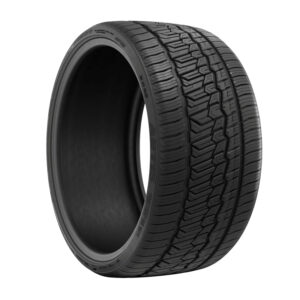
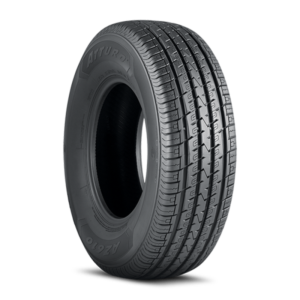
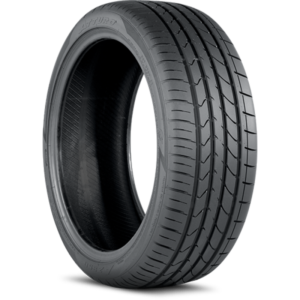
Showing 1–12 of 1902 results



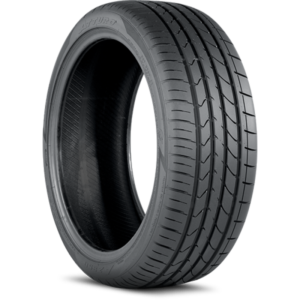
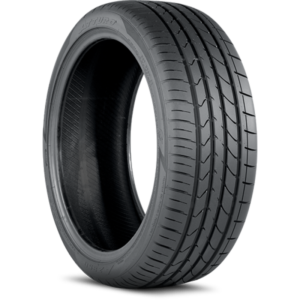
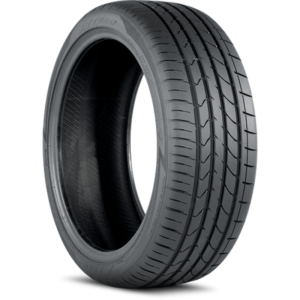
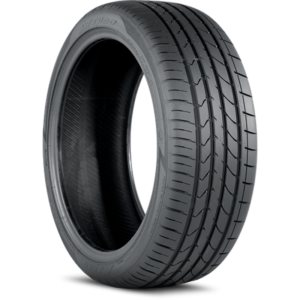
Before you buy
Tires: the questions people ask
How do I read a tire size?
Metric sizes give section width in millimetres, then aspect ratio as a percentage of that width, then rim diameter in inches. So 275/60R20 is 275mm wide with a sidewall 60 percent of 275mm tall on a 20 inch wheel. Flotation sizes are simpler: 35x12.50R20 is 35 inches tall and 12.5 inches wide on a 20 inch wheel. Every listing here also publishes the overall diameter worked out for you.
Will a bigger size fit without a lift?
Usually one size up over stock clears on a half ton truck with a leveling kit. Going from a 33 inch to a 35 inch tire almost always needs a leveling kit plus trimming at the front bumper corners. 37 inch tires need a real lift and normally a re-gear to get the drivability back.
What do load index and speed rating mean?
Load index is the weight one tire carries at its rated pressure. Speed rating is the sustained speed it is certified for. Never fit a tire with a lower load index than the placard in your driver door jamb calls for. On a truck that tows, going under the placard rating is the commonest cause of a tire failing under load.
Do tires arrive mounted?
Loose tires ship on their own and need a local shop to mount and balance them. Wheel and tire packages ship mounted, balanced and ready to bolt on.
How fast do orders ship?
Orders ship from a United States warehouse, normally within 1 to 3 business days of clearing. Orders over $199 ship free, and below that a flat rate is shown at checkout before you pay. Tracking is emailed as soon as the shipment is created.
What can I return?
Unmounted, uninstalled parts in original packaging can be returned within 30 days. A wheel that has had a tire mounted on it, and a tire that has been fitted, cannot be returned because neither is new any more. That is why we check the fitment data on every order against the vehicle you give us before it ships.
Can someone check fitment for me before I order?
Yes, and it costs nothing. Send us the year, make, model, trim and what is on the vehicle now, and we will tell you what fits, what will rub and what it takes to clear.
Keep reading